• ABOUT
    • WHAT WE DO
      • OUR BROCHURE
      • CLERGY CABINET BLOG
      • CONGREGATIONAL HAPPENINGS
      • UKRAINE
        • JANUSZ KORSZAK CHILDCARE CENTER SUPPORTING SPYNKA
        • IN THE MATTER OF UKRAINE – WEBINAR
        • SUITCASES OF LOVE: CHAPTER 1
        • SUITCASES OF LOVE: CHAPTER 2
        • UKRAINIAN REFUGEE AID UPDATES
        • INTERIM PLANS AND GUIDING PRINCIPLES
        • SPECIAL REPORT UKRAINIAN REFUGEE RELIEF AND BEIT POLSKA REDEVELOPMENT
      • EVENTS
        • MORE EVENTS
        • CONCERTS
      • INITIATIVES
      • VISITING POLAND
      • HOLIDAYS
      • NARRATIVES
        • MORE NARRATIVES ON RABBI BELIAK’S BLOG
      • BEIT
        • BEIT WARSZAWA
        • BEIT TROJMIASTO
        • BEIT CENTRUM KI TOV
      • LIFECYCLE EVENTS
      • PAST TOURS OF POLAND
      • STEP-BY-STEP
        • Turning Points in Jewish History; The First Class
  • WEBSITE
  • WEBINARS
    • Turning Points in Jewish History
  • NEWSLETTER ARCHIVE
  • ENGLISH SERMONS
  • POLISH SERMONS
  • CONTACT
  • DONATE

FJRP Blog

Friends of Jewish Renewal in Poland

Friends of Jewish Renewal in Poland logo
You are here: Home / Archives for Sermons

The Danger We Need to Respond To

By Menachem Mirski PhD 06/06/2025 Leave a Comment Filed Under: Sermons

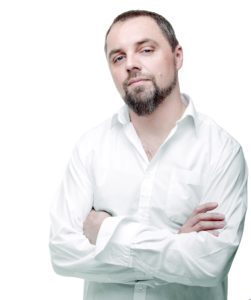
Photo of Rabbi Menachem Mirski

Thoughts on parashat Nasso 5785

No matter if we are Reform, Conservative or Orthodox, there are at least two things that unite us all: 1. A common fate – we are all Jews at the end of the day, whether we like it or not. 2. We have at least one common goal – peace in the world. We differ in terms of visions of how to get there but the ultimate goal is the same and – what’s important – I believe – that the means we, Jews, undertake to achieve it are largely compatible.

The Burden of (Jewish) Responsibility

By Menachem Mirski PhD 05/16/2025 Leave a Comment Filed Under: Sermons

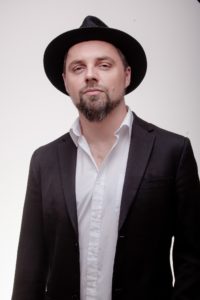
Menachem Mirski

Thoughts on Parashat Emor 5785

Parashat Emor contains two of the most fundamental commandments regarding worship in Judaism, two commandments that touch on the very nature of Jewish identity:

“Do not desecrate My holy name. I must be sanctified among the Israelites. I am the Lord, who made you holy and who brought you out of Egypt to be your God. I am the Lord” (Leviticus 22:32).

These two commandments are, respectively, the prohibition against desecrating God’s name—chillul Hashem—and its positive counterpart, kiddush Hashem—the commandment to sanctify God’s name.

Taxation and Responsibility

By Menachem Mirski PhD 05/09/2025 Leave a Comment Filed Under: Sermons

Menachem Mirski

Thoughts on Parashat Acharei Mot 5785

In ancient Israel, specifically during the Temple period, three types of tithes were practiced: the first tithe (ma’aser rishon), the second tithe (ma’aser sheni), and the poor tithe (ma’aser kesafim). The First Tithe was a standard tithe of 10% of agricultural produce (grain, wine, oil, fruits) and livestock. It was given to the Levites, who supported the Temple and its rituals. The Levites, in turn, would tithe from their share to the kohanim (priests). The Second Tithe was set aside during the first, second, fourth, and fifth years of the seven-year agricultural cycle. It was used to purchase food and other necessities to take to Jerusalem for festivals and to be consumed there; celebrate and enjoy God’s blessings by consuming the tithe in the Holy City. The Poor Tithe was given to the poor, widows, orphans, and Levites in the third and sixth years of the seven-year cycle. It was intended to alleviate poverty and provide for the needs of those in need.

Tongue and the Megaphone

By Menachem Mirski PhD 05/02/2025 Leave a Comment Filed Under: Sermons

Menachem Mirski photo

Thoughts on Parashat Tazria-Metzora

Death and life are in the power of the tongue, and those who love it will eat its fruit.
(Proverbs 18:21)

Our parasha for this week talks extensively about some form of a skin disease. Some scholars call it now “scale disease,” but for centuries, if not millenia, people thought that the Torah was talking about leprosy. But this is a misnomer. The famous Greek physician, Hippocrates, grouped together a bunch of different skin diseases under a single Greek name “lepra”. Then, in the 3rd century BCE our Jewish scholars, probably for lack of a better word, used the name “lepra” in the first, Greek translation of the Hebrew Bible, known as the Septuagint. Since then, people all over the world have thought the Bible was talking about leprosy.

  • « Previous Page
  • 1
  • …
  • 7
  • 8
  • 9
  • 10
  • 11
  • …
  • 117
  • Next Page »
  • Facebook
  • RSS
  • YouTube
DONATE TO OUR GENERAL FUND HERE
SUBSCRIBE TO OUR YOUTUBE CHANNEL
EUPJ_logo

Categories

Archives

Copyright © 2026· Friends of Jewish Renewal in Poland