Friends of Jewish Renewal in Poland
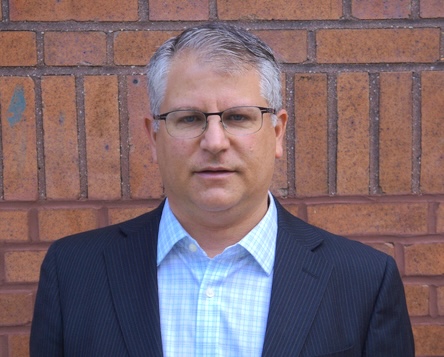
Joshua Zimmerman
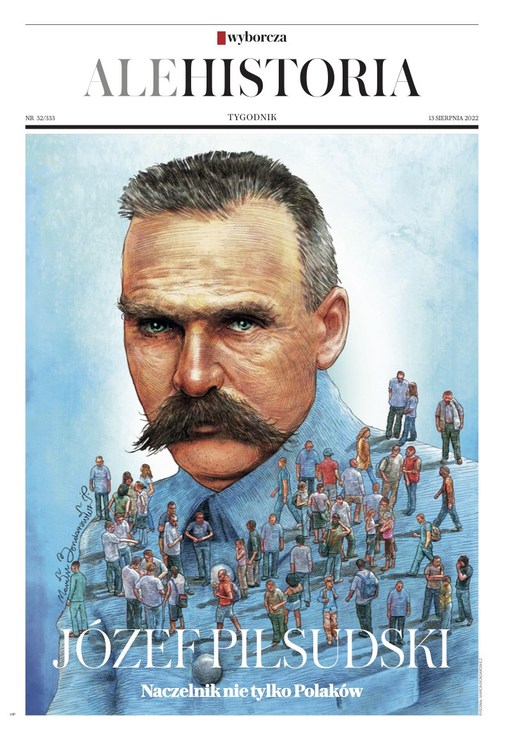
Poland’s modern-day emergence is connected to many storied names, but none exceeds Józef Piłsudski, the modern-day military hero, socialist activist, and head of state.
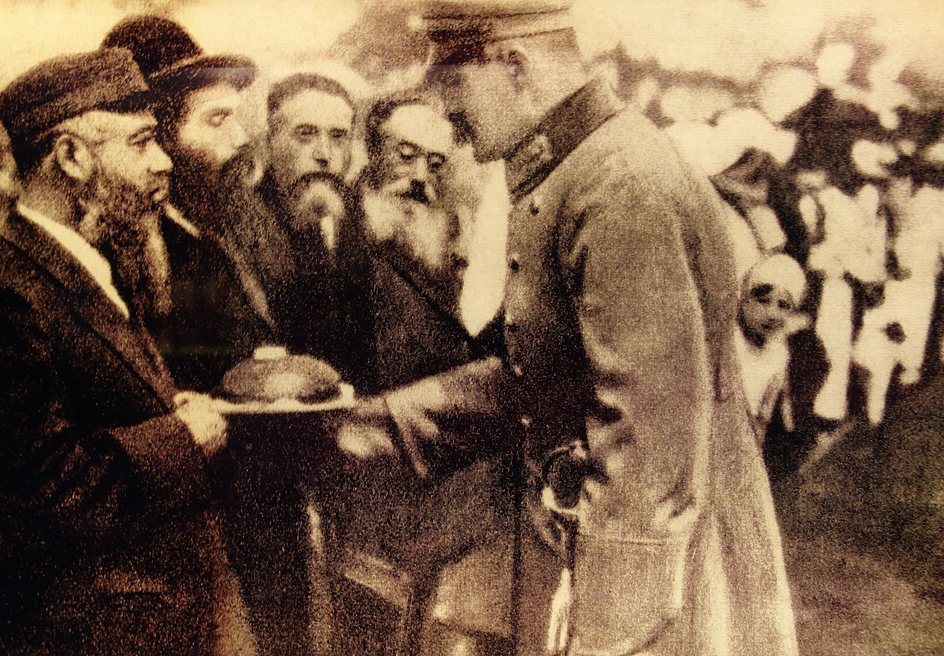
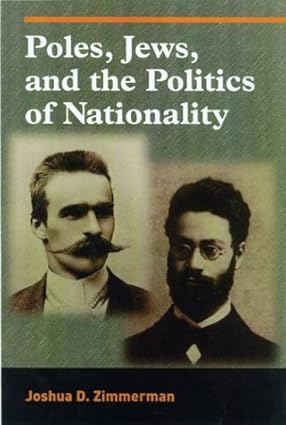
As leader of the Polish Socialist Party in Imperial Russia from the 1890s to 1914, Józef Piłsudski championed a free, democratic Poland in which all citizens, regardless of religion or nationality, would receive equality before the law. As party leader before 1914, Piłsudski organized a Jewish Section, sponsored a Yiddish party press to compete with the Jewish Labor Bund, and advocated for the separation of Poland from the three empires (Austro-Hungarian, German, and especially Imperial Russia). As commander of the Polish Legions in World War I, Piłsudski led a Polish armed force in which 10% of its fighters were Polish Jews. When Poland re-emerged on the map of Europe in November 1918, Piłsudski was named commander-in-chief and head of state. Interwar Poland’s Jewish community – the largest in Europe – regarded Piłsudski as their protector and feared for their future upon his death in May 1935. Their premonition came true all too soon. The consensus in Polish Jewish diaries, testimonies, and memoirs is that Pilsudski was a great and decent man. Why is he virtually unknown today?